
REC Master/Slave Series Pack Kit Builder
This kit is still under development, Please contact tech@offgridsoftwaresolutions for configuration assistance.
Build your REC Master/Slave BMS system as a kit and save 5% on all accessories!
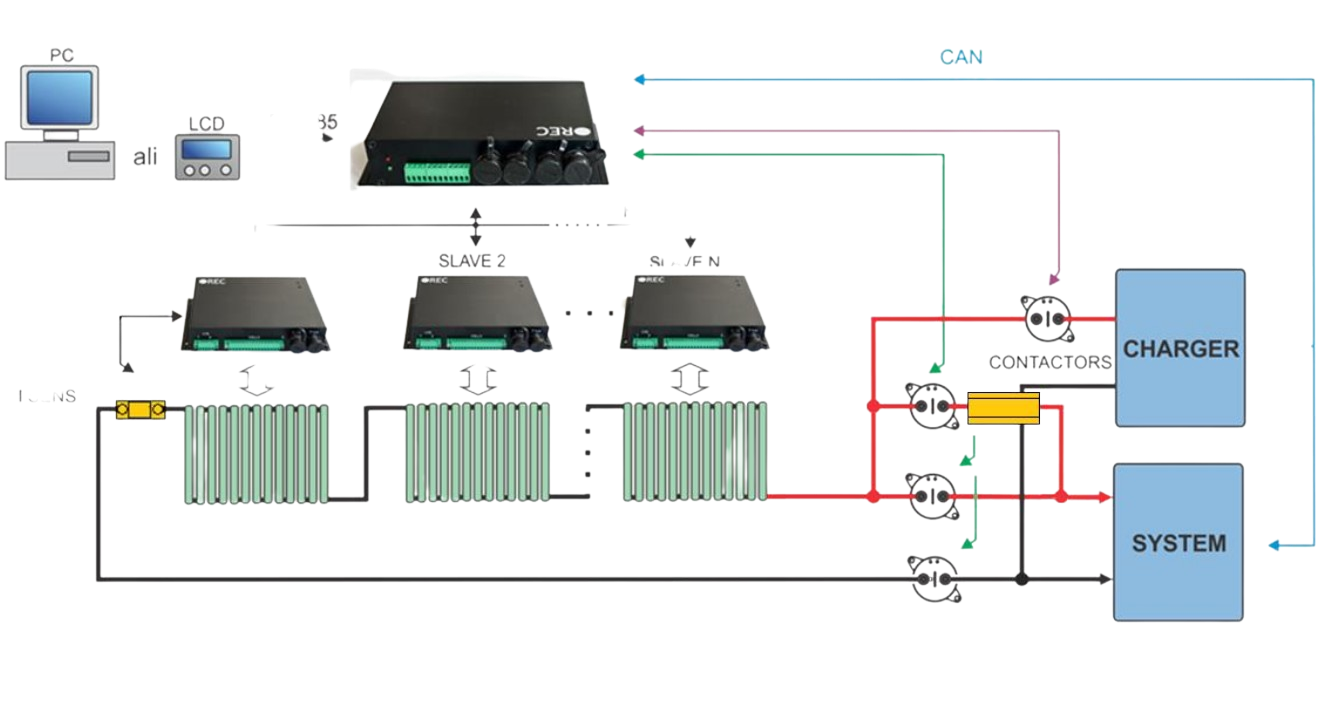
Use the example diagram on the left as a guide to select the hardware you need for your application.
This kit is still under development, Please contact tech@offgridsoftwaresolutions for configuration assistance.
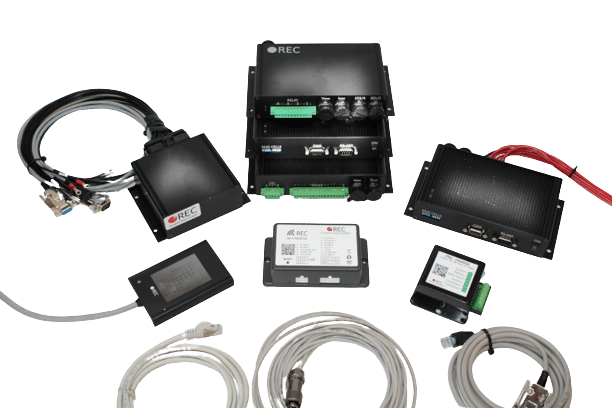
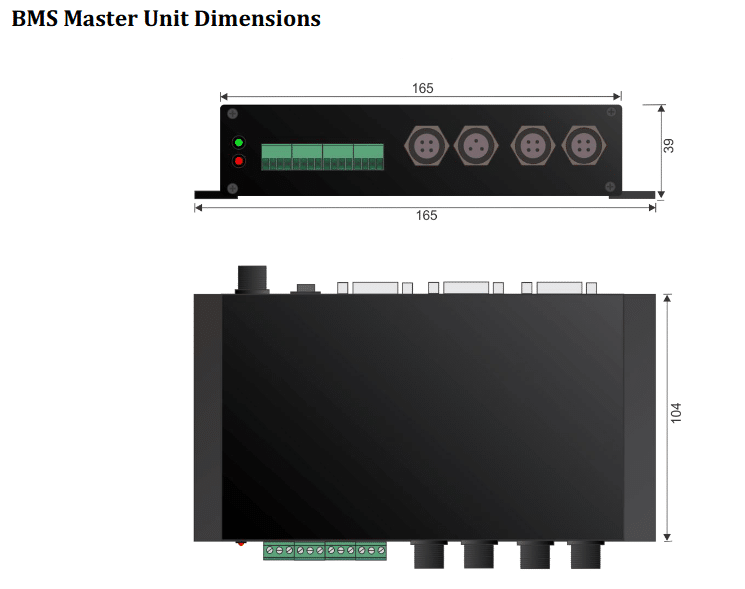
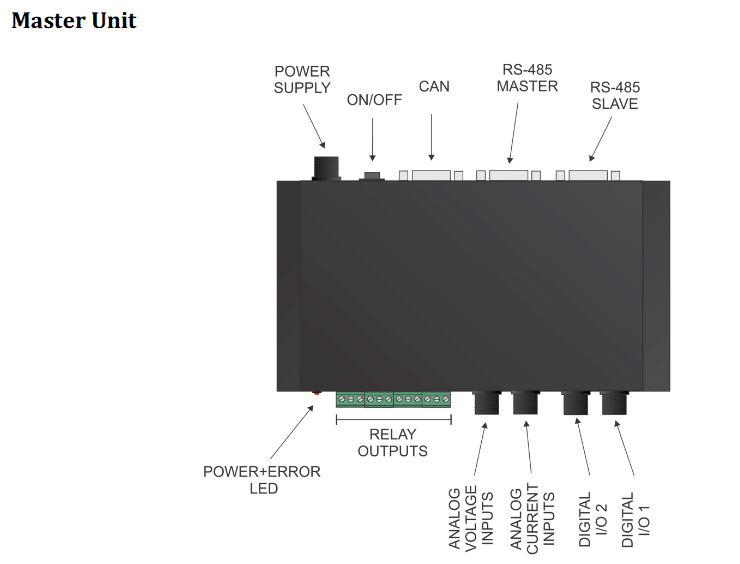
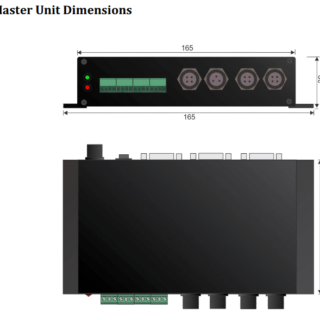
REC BMS Master 9M:
The REC BMS Master supports many battery chemistries including:
Li-PO, LiFePO4, LiFeYPO4, LiCoO2, LiMnNiCo and LiMnO4 Lithium-Ion chemistry
Master + max 15 Slave combination (max 240 cells)
compatible with all REC BMS units
single cell voltage measurement (0.1 – 5.0 V, resolution 1 mV)
single cell internal resistance measurement
single cell under/over voltage protection
SOC and SOH calculation
over temperature protection (up to 3 temperature sensors per Slave unit)
under temperature charging protection
passive cell balancing up to 1.3 A per cell with LED indication
shunt current measurement (resolution 10 mA @ +/- 300 A)
3 galvanically isolated user defined multi-purpose inputs/outputs
4 programmable relays (normally open and normally closed option)
12 V galvanically isolated supply (10.5 – 15 V)
galvanically isolated RS-485 and CAN communication protocol
error LED + buzzer indicator
internal battery powered real time-clock (RTC)
PC user interface for changing the settings and data-logging (optional accessory)
LCD touch display for monitoring (optional accessory)
hibernate switch
2 reviews for REC Master/Slave Series Pack Kit Builder
Related products
-
REC Q Series BMS 16S Slave
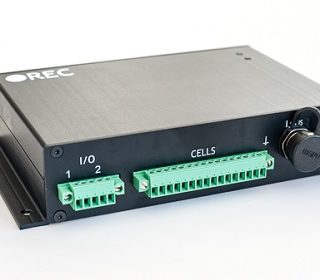
$559.95Add to cartThe REC SI-Q BMS Slave is built on the same platform as the standalone SI-Q Series BMS, but works in conjunction with a REC Master Controller for larger systems configurations. It can be used in both parallel configurations where you have several cell packs working together and any one pack can be disabled without affecting the rest of the system. In series applications each slave controls up to 16 cells and up to a total of 15 packs, allowing system voltages in the 500-800 volts DC range.
Stefan Ried –
The high voltage battery pack is already the dominant approach for commercial vehicles and I am totally convinced it is the future for stationary residential solutions as well.
I am writing this to share experience and encourage the further great support of Rick and the development work of Tine at REC, not to show disappointment:
I had such a high voltage configuration running with two battery modules from a Daimler EQC. You can do similar with Tesla modules. The two Daimler/LG Chem modules 2x24S2P gave me 170-200 Volt which is ideal as a starting configuration for a modern hybrid high voltage inverter. The potential was to double with another two modules to 400V. All in the specs of this REC master slave configuration.
A single 24S2P module at 55kg weight is even on the market with 10kWh for below €100 per kWh. Pretty amazing. 40kWh at about €4000 plus the REC with 6 slaves. Very lean hardware, 10mm2 cables, very little heat, all right like in my electric car.
Sources for the battery modules are for example https://evshop.eu/en/search?controller=search&s=eqc or http://www.power-and-storage.de in Europe.
The REC BMS and the Li-MNC batteries worked great together. REC supports LI MNC chemistry and has an outstanding experience here!
However, the whole project failed. Why?
The high voltage hybrid inverters such as the Sungrow SH10RT or the new SMA Sunny Tripower Smart Energy (which is basically a OEMed Sungrow inverter with another communication board and software) are extremely attractive, as they have a single DC branch for PV & Battery, and a single three phase inverter for both. The Sungrow at 10kw steady power is only at €2.000 cost. Remember in 48V, you might habe to assemble three Sunny Island inverters for a balanced three phase system.
However, these new inverters use a totally different CAN protocol.
Even if REC talks about the Pylontech CAN protocol, the REC master delivers the Pylontech 48V protocol from the USx000 system – Not the new high voltage pylontech protocol from the SC0500 / SC1000 pylontech controllers. Only the latter one is understood by the hybrid high voltage three phase inverters.
Long story short.
The project for a stationary battery with this REC master slave system failed, because there is no stationary high voltage inverter on the market, that communicates (bidirectionally) with the REC system. At least none that I am aware off. Thanks for pointers in advance!
I hope that the inverter vendors support more CAN protocols, or REC will support the CAN protocol eg. the one from the Pylontech High voltage systems in the future.
Nevertheless, if you are assembling a high voltage system for a custom vehicle or for a boat, the REC Master/Slave would be my choice, if you make sure that the charger understands the messages.
For a stationary battery, wait at least 6 months until the CAN messages are compatible.
Stefan
Stefan Ried –
Hi,
I can now confirm, that the REC master slave BMS works correctly with modern high voltage hybrid inverters such as the Sungrow SH10RT.
Please ask for the latest firmware which implemented the CAN communication in the same way like the Pyltontech SC1000 or SC500. Please note that the high voltage protocol is totally different than the 48V Protocol.
Thanks a lot to Tine@REC who was restless sending me updates until the system was reliable and stable.
Stefan